
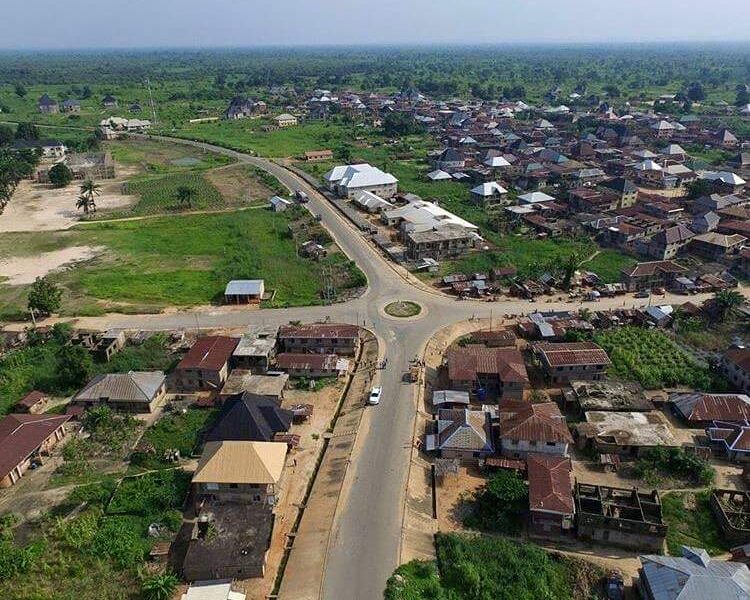
For generations, the people of Anam have stood as a symbol of resilience, industry, and communal living. Nestled between the majestic River Niger and the Omambala (Anambra) River, Anam is one of the most historically significant riverine communities in Anambra State. Its fertile floodplains, rich fishing waters, and strong family traditions have shaped a people known for their determination and hospitality.
A Community Built on Heritage
Anam is not just a single town but a collection of eight interconnected communities bound together by shared ancestry and culture. Over the centuries, the people have preserved their traditions through oral history, festivals, age-grade associations, and respect for elders. These customs continue to strengthen the identity of the community even as younger generations spread across Nigeria and the world.
Life Along the Rivers
Living in a riverine environment has influenced nearly every aspect of life in Anam. Fishing has remained one of the oldest occupations, while farming provides families with crops such as yam, cassava, maize, cocoyam, and vegetables. The rivers are not only a source of livelihood but also an important part of the people’s cultural identity.
The Spirit of Togetherness
One of the greatest strengths of the Anam people is their communal spirit. During celebrations, weddings, funerals, and development projects, families and neighbours work together for the common good. This tradition of collective responsibility has helped the community overcome challenges ranging from seasonal flooding to infrastructure needs.
Preserving Our Legacy
As the world becomes increasingly digital, preserving the history and traditions of Anam has become more important than ever. Community organizations, researchers, and cultural leaders continue to document the stories, customs, and achievements of the people so future generations can remain connected to their roots.
Looking Ahead
The future of Anam lies in balancing tradition with innovation. By investing in education, technology, agriculture, entrepreneurship, and youth development, the community can continue to thrive while protecting the values that have defined it for centuries.
At Anam Today, we remain committed to telling the stories that celebrate our heritage and inspire future generations.